
Making decisions can often be a daunting task, especially when faced with multiple options that all seem appealing in their own right. In today’s world, the sheer volume of choices available can lead to a phenomenon known as ‘analysis paralysis’, where one becomes overwhelmed and struggles to make a choice. However, by leveraging the technique of comparing your options effectively, you can simplify this process. As you embark on your decision-making journey, consider the insights shared at Compare the options before you choose – casino without Swedish license 501alchemist.com, which can further assist you in this quest.
Understanding the Importance of Comparison
At its core, comparing options allows you to gain a clearer perspective on the potential outcomes of your decisions. Whether you’re selecting a new job, choosing an investment, or even picking a restaurant for dinner, taking the time to evaluate each option can lead you to make more informed, beneficial choices. Understanding the significance of this process helps you to realize that each option carries its strengths and weaknesses, impacting your quality of life and future opportunities.
Steps to Effectively Compare Your Options
To facilitate a smoother decision-making process, here are several effective steps to consider when comparing your options:
- Identify Your Goals: Before diving into the options available, it’s crucial to understand what you want to achieve. Define your objectives clearly—are you seeking the best financial outcome, the most enjoyable experience, or perhaps a balance of both?
- Research Your Options: Gather as much information as possible about each choice. This might include researching companies, reading reviews, or consulting experts.
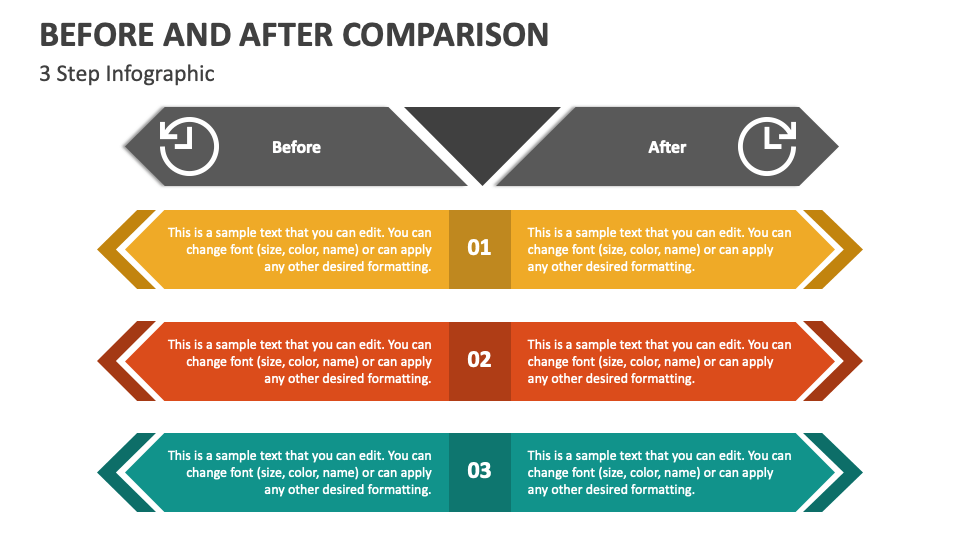
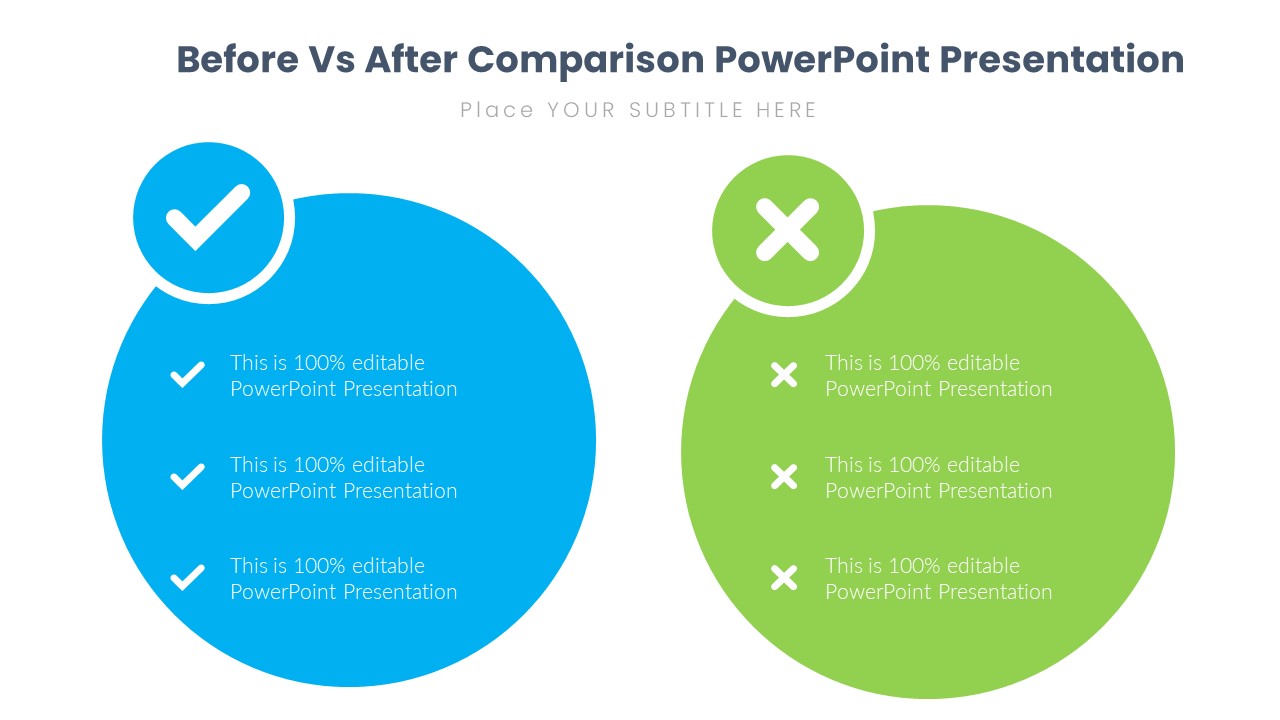
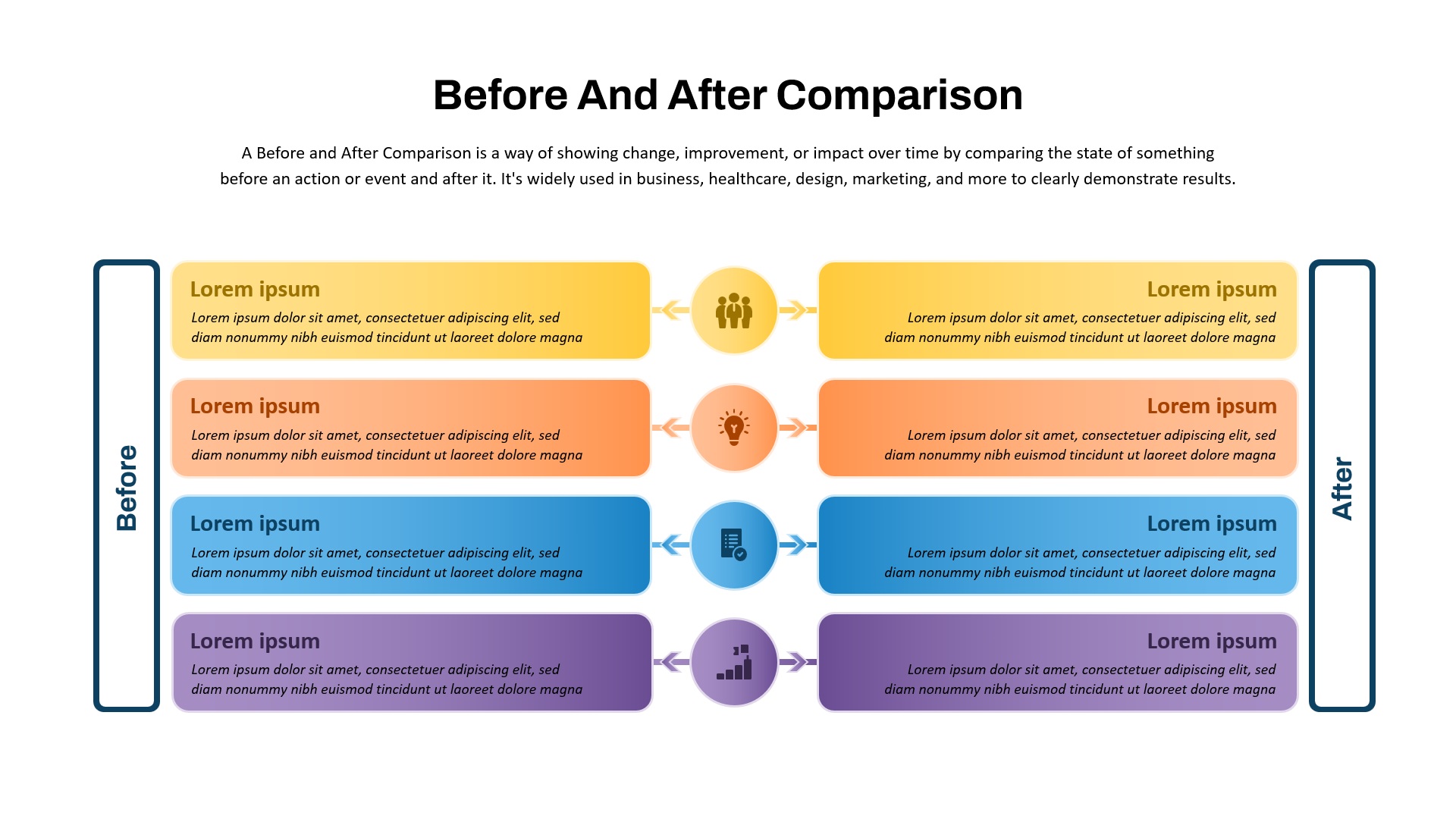
- Create a Comparison Chart: Visual aids can help ensure clarity. Develop a comparison chart where you list each option alongside its pros and cons. This method can simplify complex information and highlight the differences between choices.
- Evaluate Based on Key Criteria: Determine the criteria that matter most in your decision-making process. This could include cost, convenience, quality, and alignment with your goals.
- Seek Opinions: Engage with others who have experience in your options. Their insights may reveal aspects you hadn’t considered.
- Take a Step Back: After gathering information, take a moment to distance yourself from the situation. This break can help refresh your mind and allow clearer perspectives to emerge.
- Make the Decision: After thorough evaluation, trust your instincts and make your choice. Remember that no decision is set in stone; you can always pivot if things don’t work out.
Common Pitfalls in Decision-Making
While comparing options, it’s essential to be mindful of common pitfalls that could cloud your judgment:
- Overcomplication: Sometimes, individuals can overanalyze to the point of confusion. Keep your criteria straightforward and direct.
- Emotional Bias: Decisions influenced by strong emotions—like fear or excitement—can lead to choices that do not align with your long-term goals. Strive to maintain a balanced outlook.
- Ignoring Gut Feelings: While analysis is important, it’s equally vital to trust your instincts. Sometimes, your feelings can guide you toward the right decision.
The Role of Technology in Decision-Making
In our technologically driven world, numerous tools are available to assist in decision-making. From comparison websites to budgeting apps and decision matrix software, leveraging technology can streamline your evaluation process. These tools can synthesize large amounts of data, helping to clarify your choices efficiently. Embracing technology not only enhances your decision-making capabilities but also saves you valuable time.
Conclusion
Ultimately, successful decision-making relies on your ability to compare the options before you thoughtfully and systematically. Each choice presents an opportunity for learning and growth, and the path you choose can significantly shape your future. By following the steps outlined above and avoiding common pitfalls, you can navigate the landscape of options with greater confidence. Remember, taking the time to compare and evaluate effectively is not just a task—it’s a key component of a fulfilling and empowered life. Embrace the journey of decision-making, and you may find it transforms your outlook and your future.